Replace distributor motor
24V fan replacement
Replacement pincher block
Completely replacing the pincher
Replacing a torn hose
Cleaning level pins
Too little sample volume
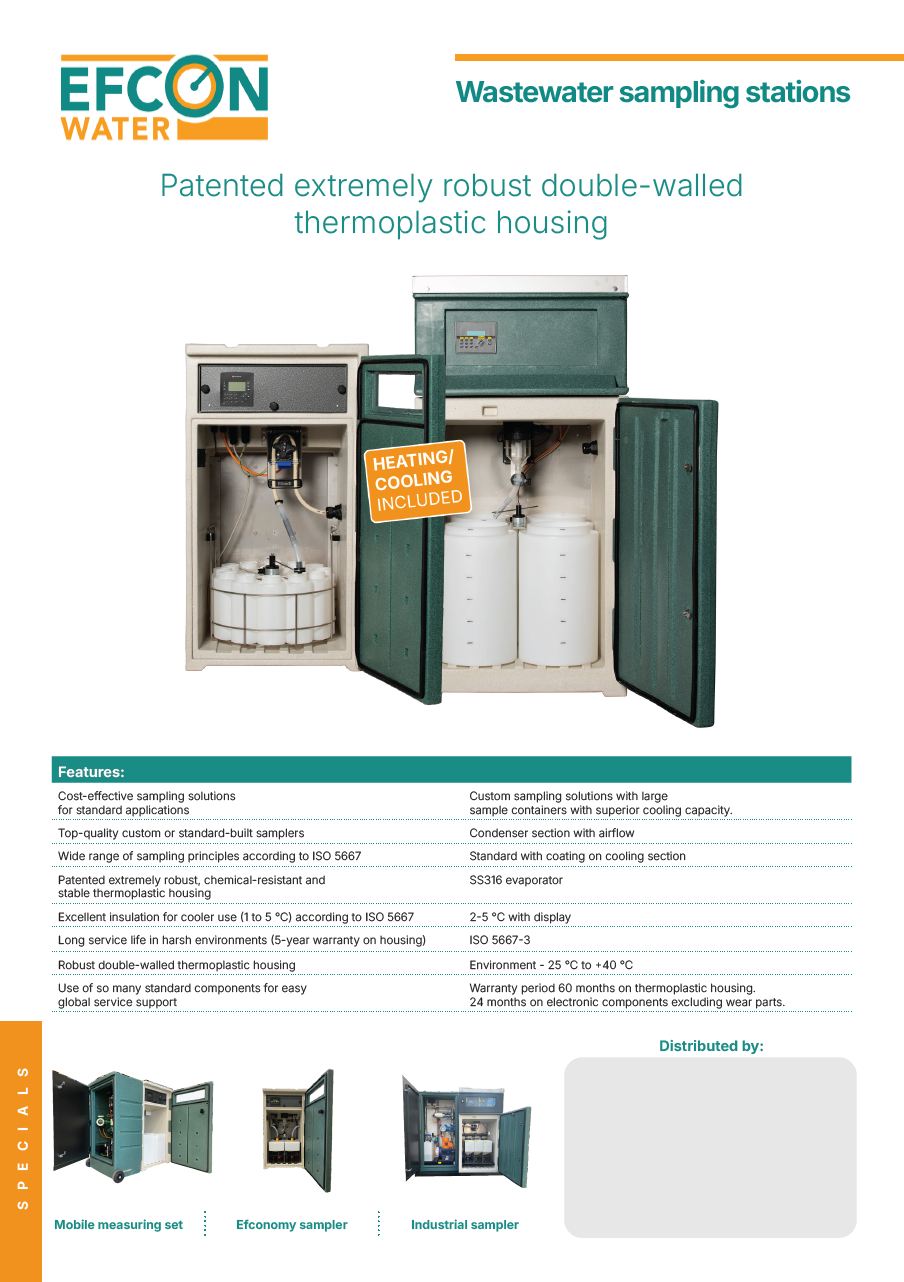
Defrosting the sampling cabinet
Performing a dry sample test
Replacing the relay
Replacing the controller
Replacing the battery (Vision Controller)
Replacing the battery (Jazz controller)
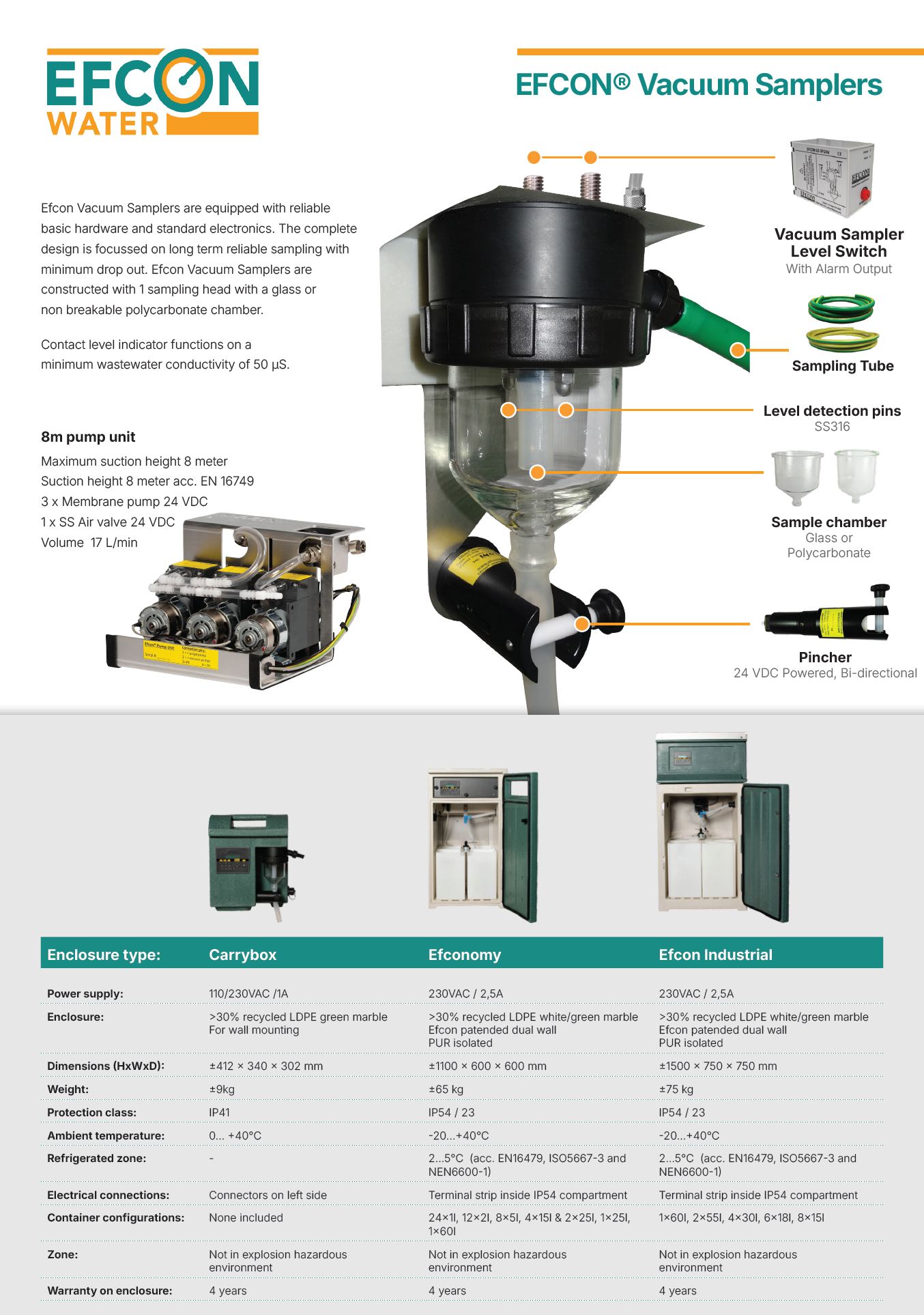
Replacing the pump unit
Replacing the 230v fan
Cleaning the condensor
Clogged suction hose
Attaching a strainer to the hose
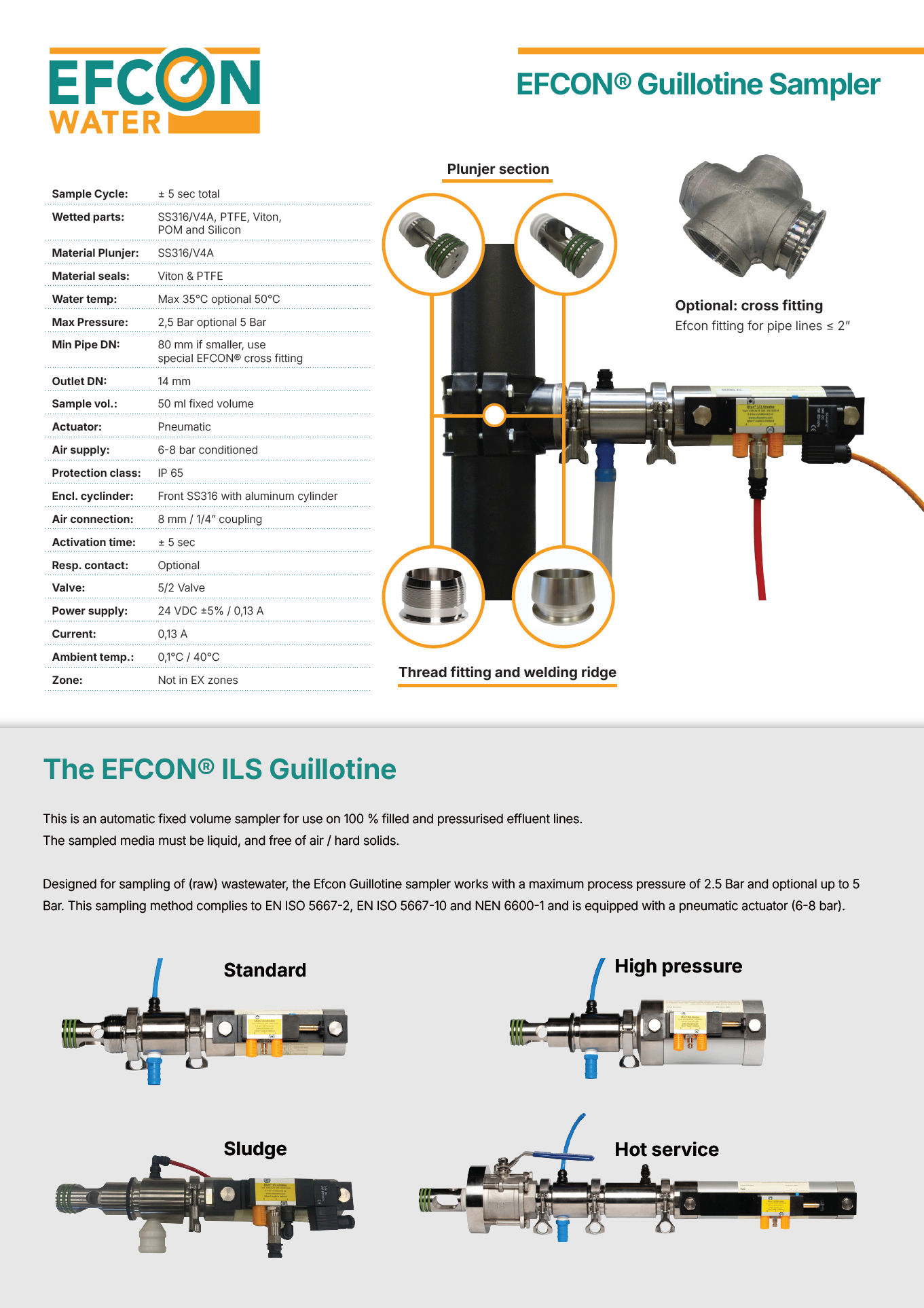
Servicing the inline sampler guillotine
Servicing the 6-meter pump

How do I connect my sampler safely?

The installation instructions vary depending on the model. It is important that the suction hose is always positioned at a representative point in the wastewater and that the tubing is free from air or foam. For in-line samplers, the pipeline must be completely filled at all times.

How often should I maintain my sampler?

We recommend servicing your sampler once a year. During maintenance, components such as the pump, pincher, fans, and tubing are inspected and replaced if necessary. Minor maintenance tasks, such as cleaning the condenser or checking the tubing, can be carried out yourself.

How do I replace a fan, pump unit, or relay?

This can easily be done yourself. Our instructional videos show you step by step how to remove a fan, replace a pump unit, or swap a relay.

What should I do if I get a sample alarm or the sample volume is too low?

A sample alarm usually indicates that the suction hose is blocked or not connected properly. Check that the hose is clear and securely connected. If the sample volume is too low, the silicone tube may be positioned incorrectly and should be checked and adjusted if necessary.

How do I clean the condenser and level probes?

  • Condenser: Clean it once a year using a brush or tube cleaning brush to remove dust and insects.
  • Level probes: Unscrew the flask and clean the probes if they are affected by limescale or dirt.